What Business Information Is Public in Canada?
 Nicholas Wesley-JamesCEO, Ribbon Business
Original Ribbon Business registry investigation. The walkthrough screenshots are retained from the original research.
Canadian business registries make some corporate and personal information public. The important question is not simply whether a registry is public, but which fields are immediately searchable, which require a paid report, and whether historical filings remain available after an address changes.
- Jump to how to Protect Your Residential Address as a Business Owner.
- Related: What is a registered office address in Canada?, Can I use my home address for my corporation?, Registered office for remote and home-based businesses, and How to change your registered office address.
Key Findings
- A federal corporation's registered office, directors and some information about individuals with significant control are public.
- Corporations Canada says historical filed information remains part of the corporate record after an update.
- Ontario provides a free basic search, while detailed search products such as a profile report currently cost $8 when ordered directly from the ministry.
- A different address can reduce future residential-address exposure, but it does not erase valid historical filings or remove ownership and director-disclosure requirements.
How We Reviewed the Registries
Ribbon Business walked through the federal and Ontario search experiences using different entity types and recorded which information was visible in the initial result and in detailed reports. The screenshots below document that walkthrough and are intentionally being retained rather than replaced.
Registry interfaces and legal requirements can change. The surrounding explanations were checked against current Corporations Canada and Ontario Business Registry guidance on the review date shown above. The article is an illustrative comparison, not a guarantee that every entity type or historical filing exposes identical fields.
Recent Changes and Increased Transparency
Canada has been moving towards greater transparency in the private sector, particularly when it comes to identifying the individuals with significant control (ISC) over corporations. Since January 22, 2024, corporations created under the Canada Business Corporations Act (CBCA) are required to file information on their ISCs with Corporations Canada, and some of this information will be made available to the public.
Additionally, most provinces now require their own versions of a register of individuals with significant control, reflecting a broader push for transparency. This move aims to help law enforcement agencies expose activities like money laundering and tax evasion, which are growing global concerns.
While increased transparency can serve important purposes, it also raises privacy concerns for business owners and individuals associated with corporations. As more personal information becomes publicly accessible, there is a heightened risk of misuse or exploitation by bad actors.
What Business Information is Publicly Available?
The information available on business registries can vary between federal and provincial jurisdictions, as well as the type of business entity. Here's a breakdown of what you can expect:
Federal Business Registry
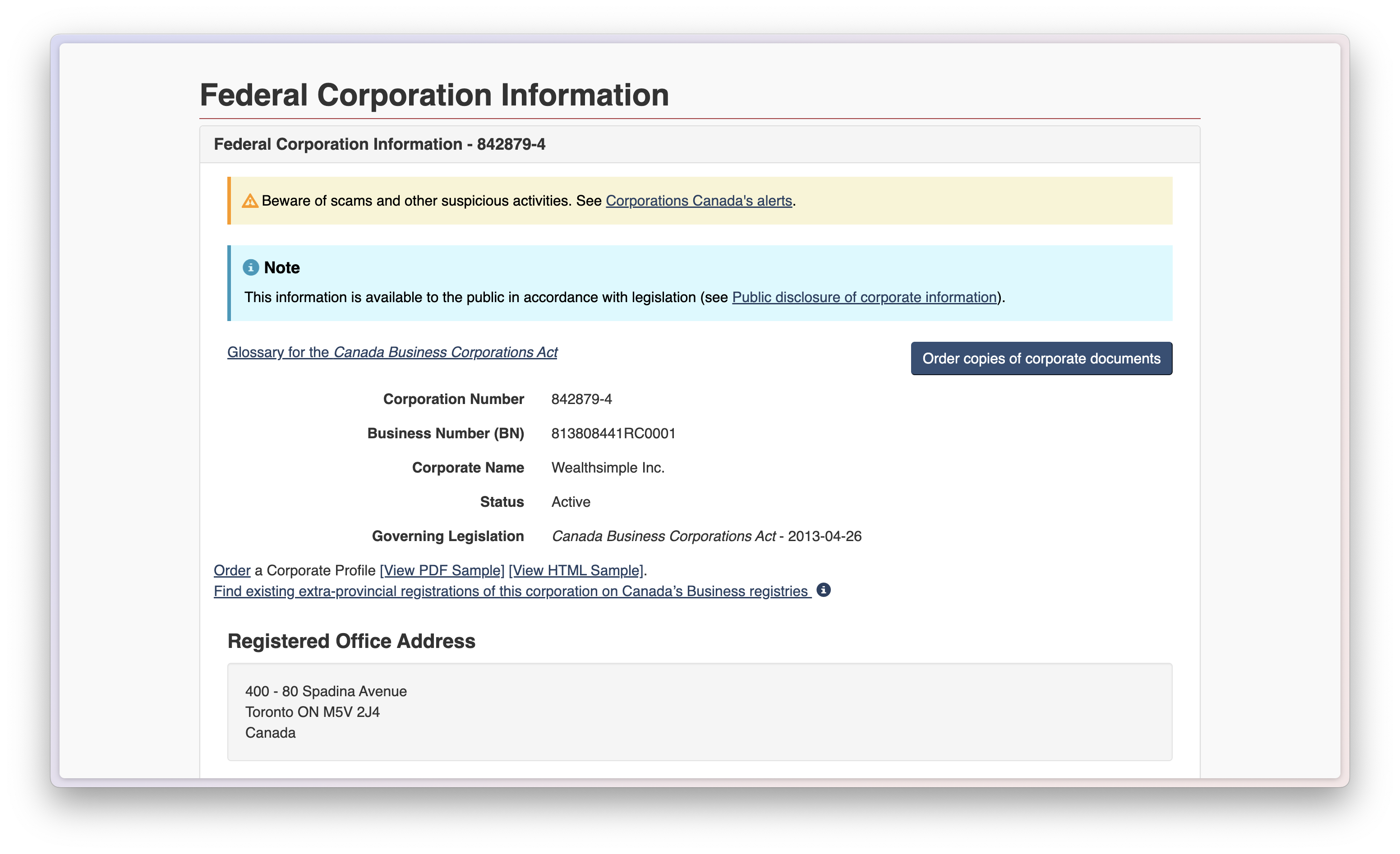
The federal business registry is easily searchable, and data is often aggregated on third-party websites, making it even more accessible. Some of the information that is publicly available and easily searchable includes:
- Business name
- Corporation number
- CRA business number
- Business address
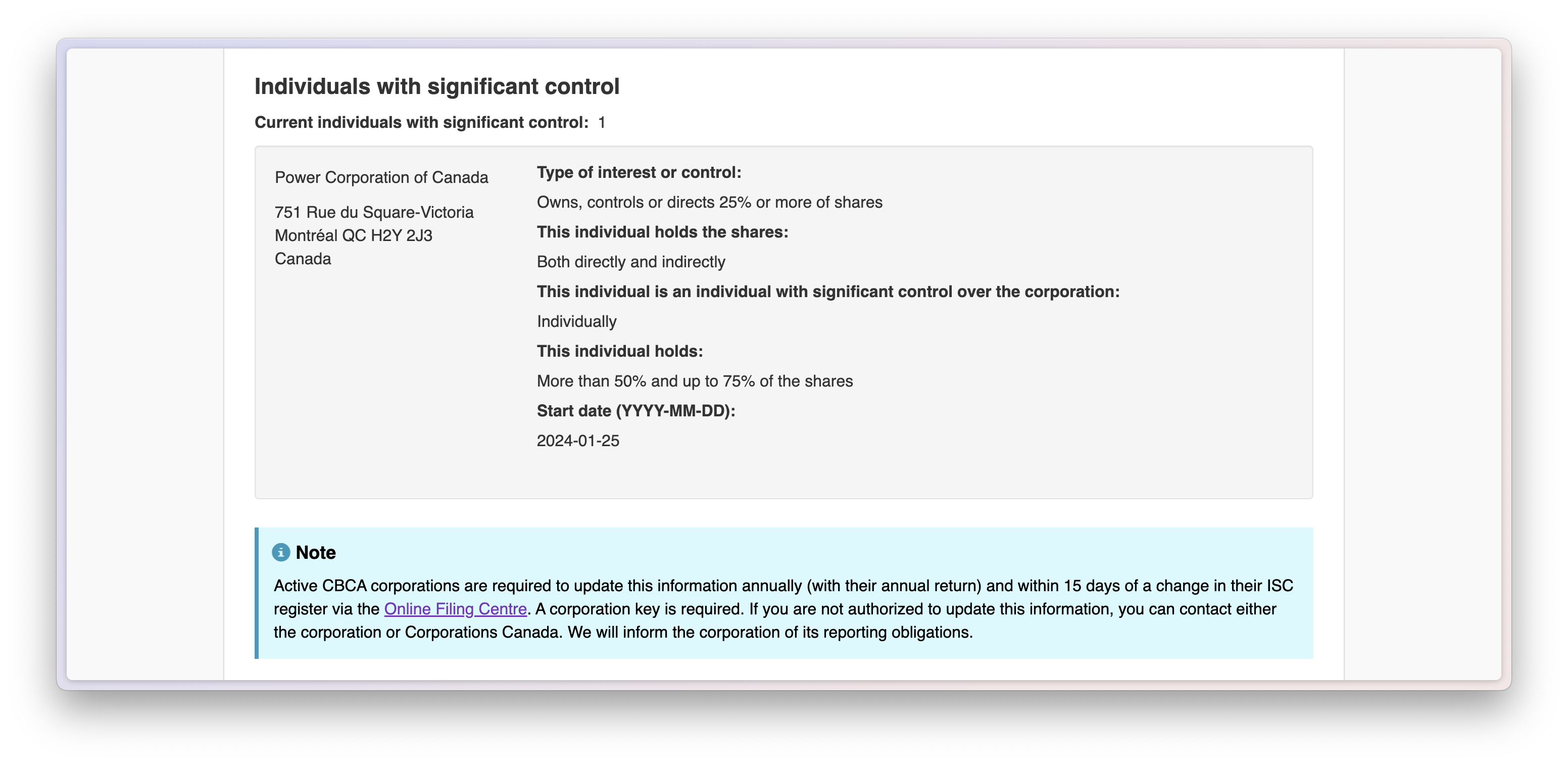
- Shareholders' (with 25% or more ownership/control) names and addresses
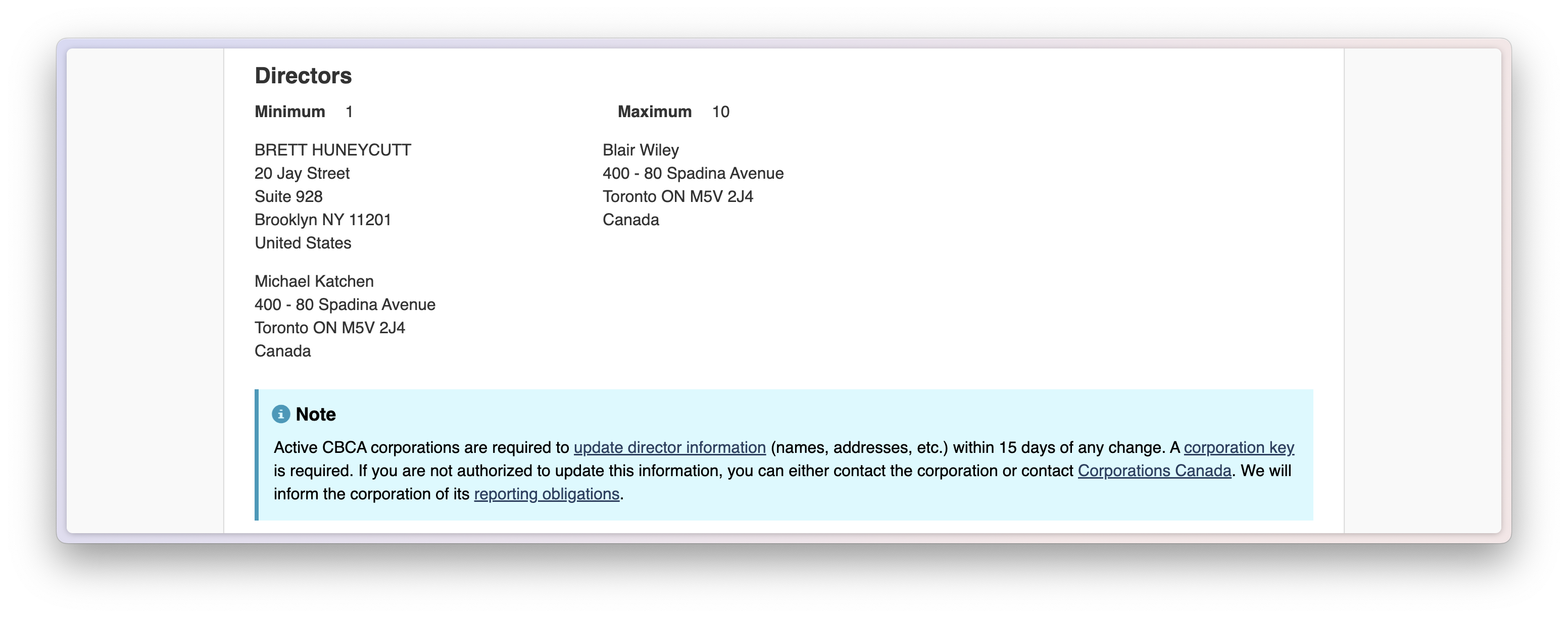
- Directors' names and addresses
Corporations Canada also says historical corporate information remains public after later updates. Changing an address reduces future use of the old address but does not purge documents already filed.
Example of information available for a Federal Corporation
Ontario Business Registry
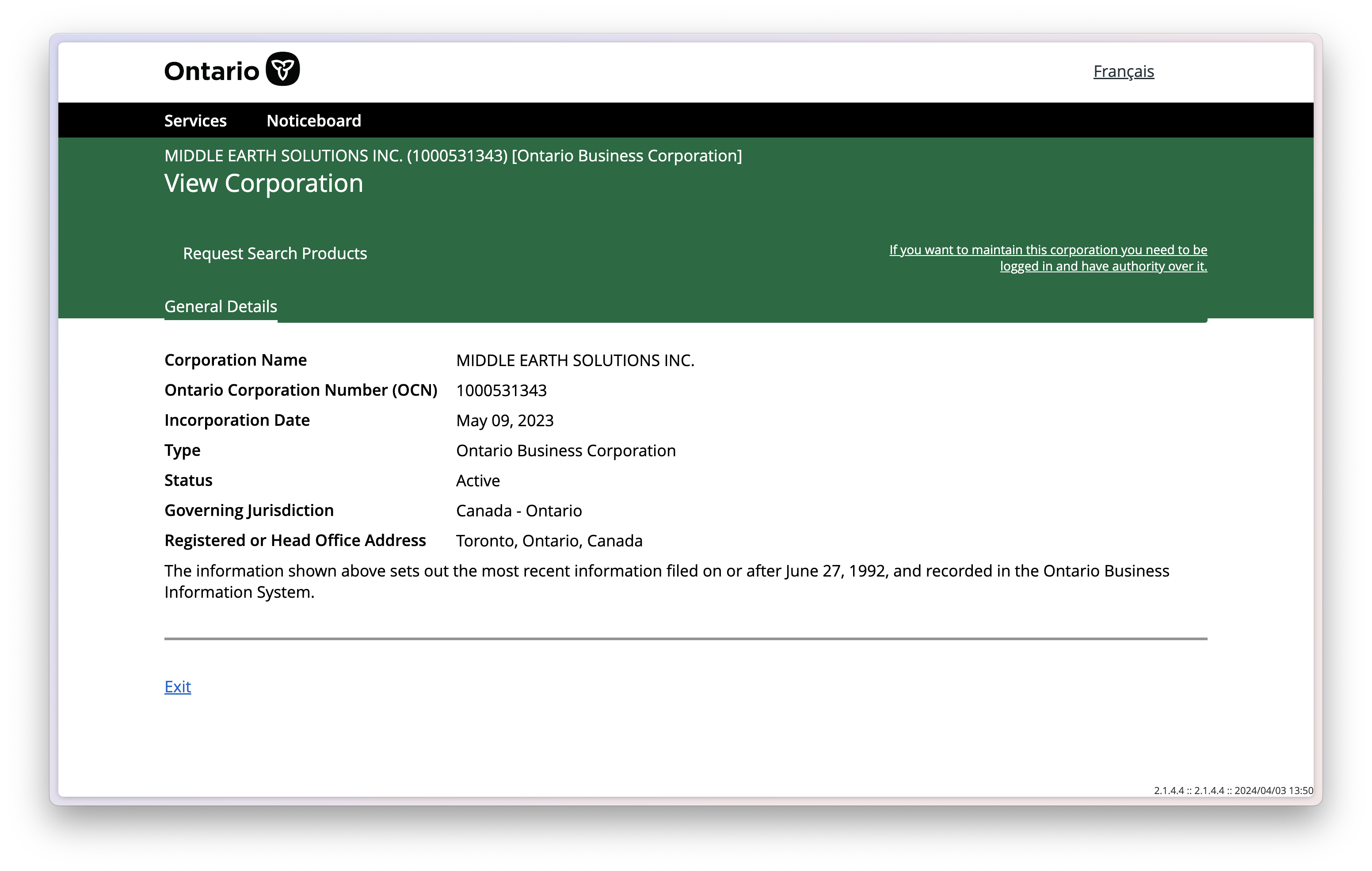
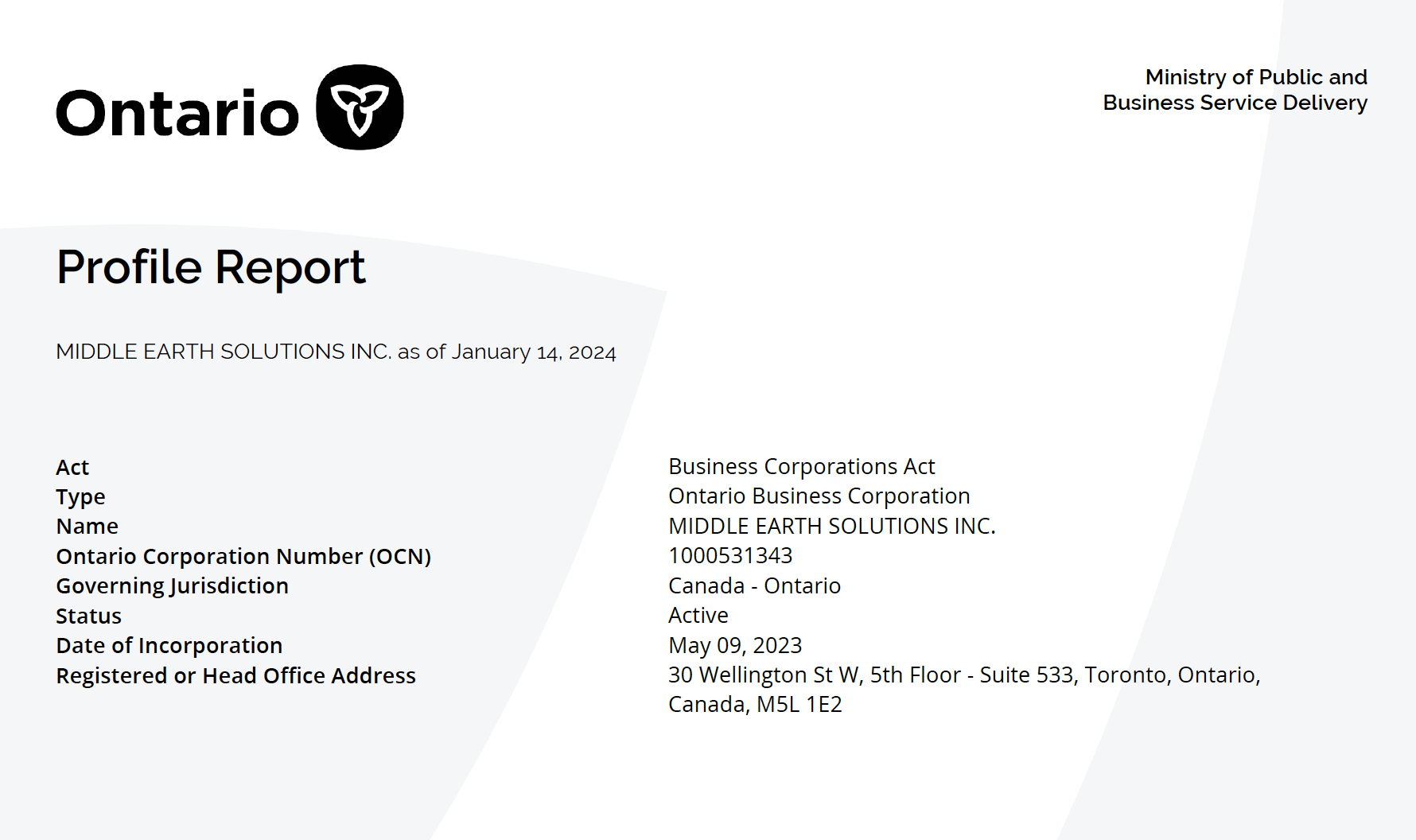
The Ontario Business Registry offers a free basic search. More detailed information can require a paid search product, including a profile report that currently costs $8 when ordered directly from the ministry. Depending on the entity and report, the available information can include:
- Business name
- Corporation number
- Business address (detailed address behind a paywall)
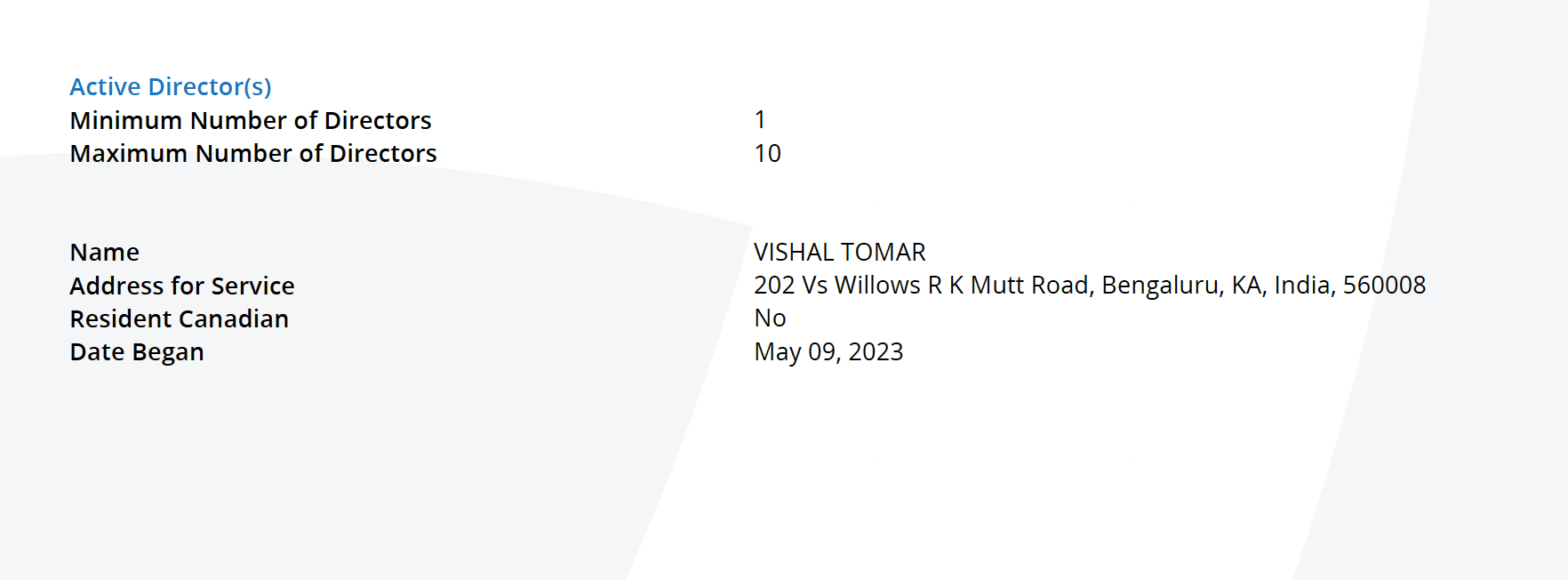
- Directors' names and addresses (behind a paywall)
- Officers' names and addresses (behind a paywall)
While the paywall provides some level of protection, the fact that personal information is still accessible, even if at a cost, is a concern for many business owners in Ontario.
Example of information available for an Ontario Corporation openly searchable
Example of information available for an Ontario Corporation behind paywall
The following corporate profile was obtained through an $8 search product.

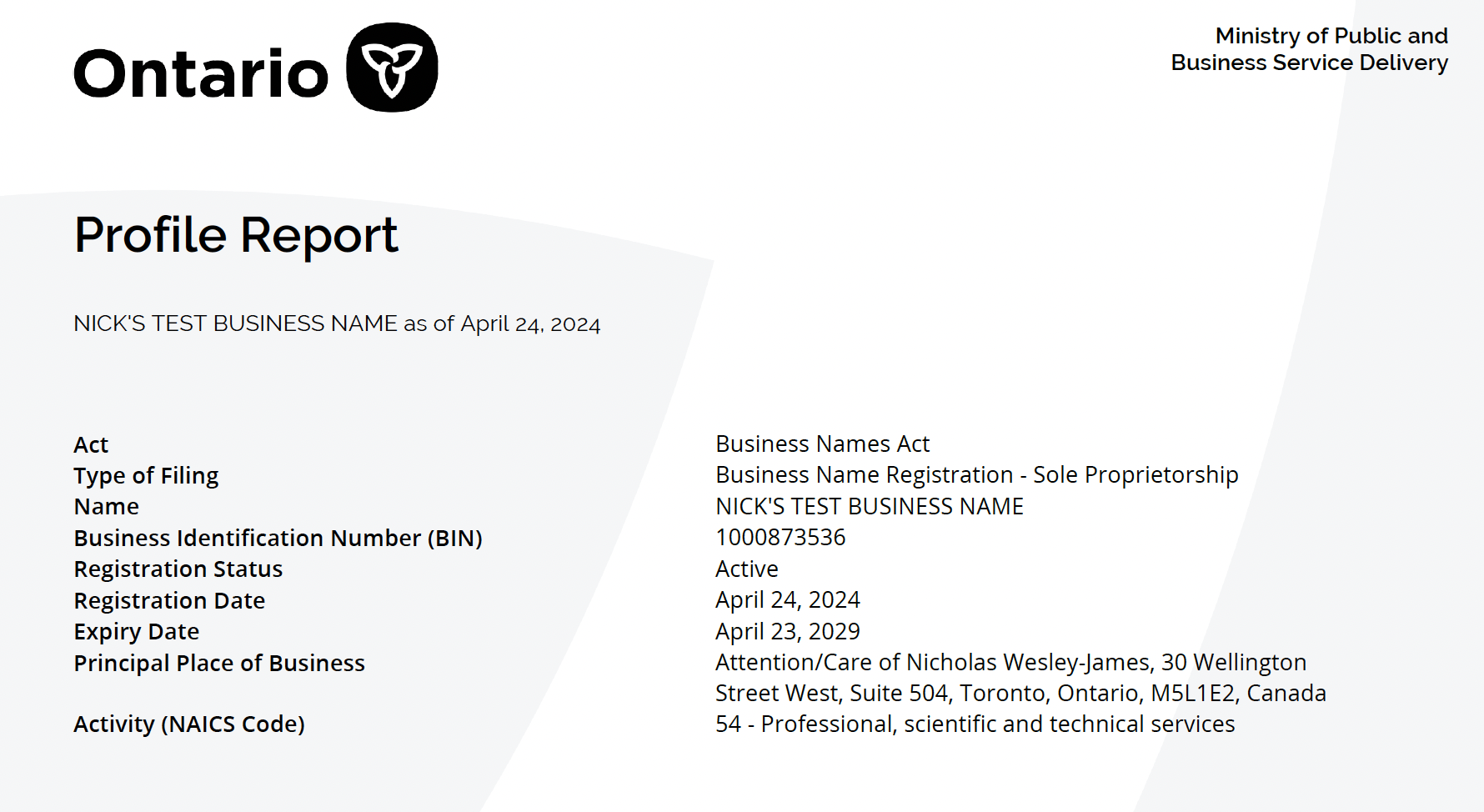
Sole Proprietorships in Ontario
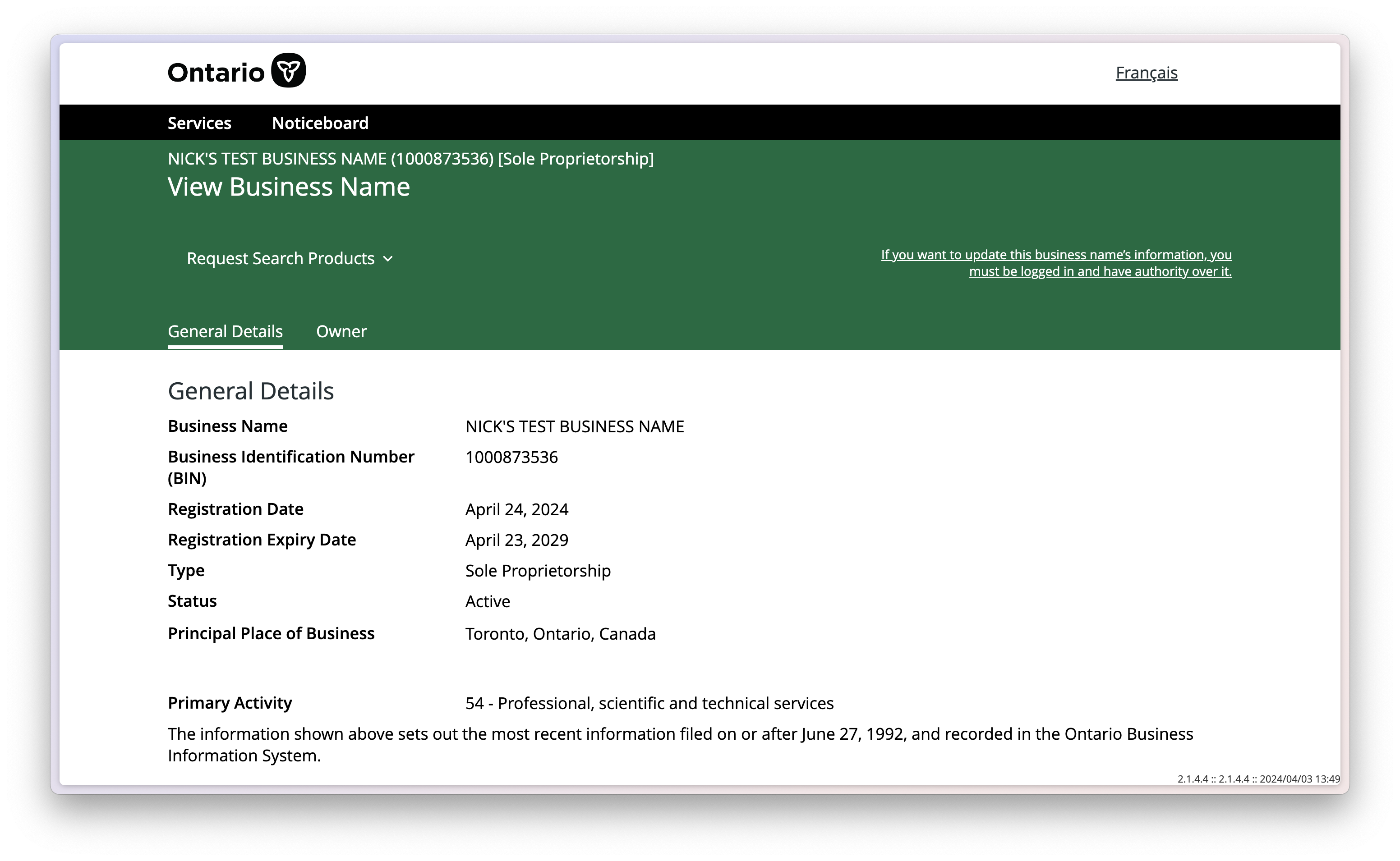
For sole proprietorships in Ontario, the following information is available on the business registry:
- Business name
- Business identification number
- Business address (detailed address behind a paywall)
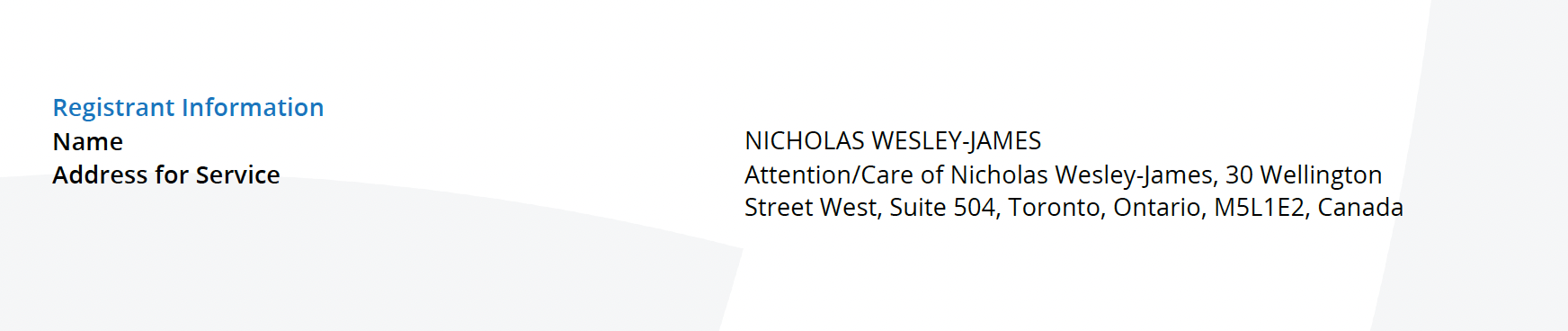
- Owner's name and address (detailed address behind a paywall)
As a sole proprietor, your personal information is directly tied to your business, making privacy protection even more critical.
Example of information available for an Ontario Sole-Proprietorship openly searchable
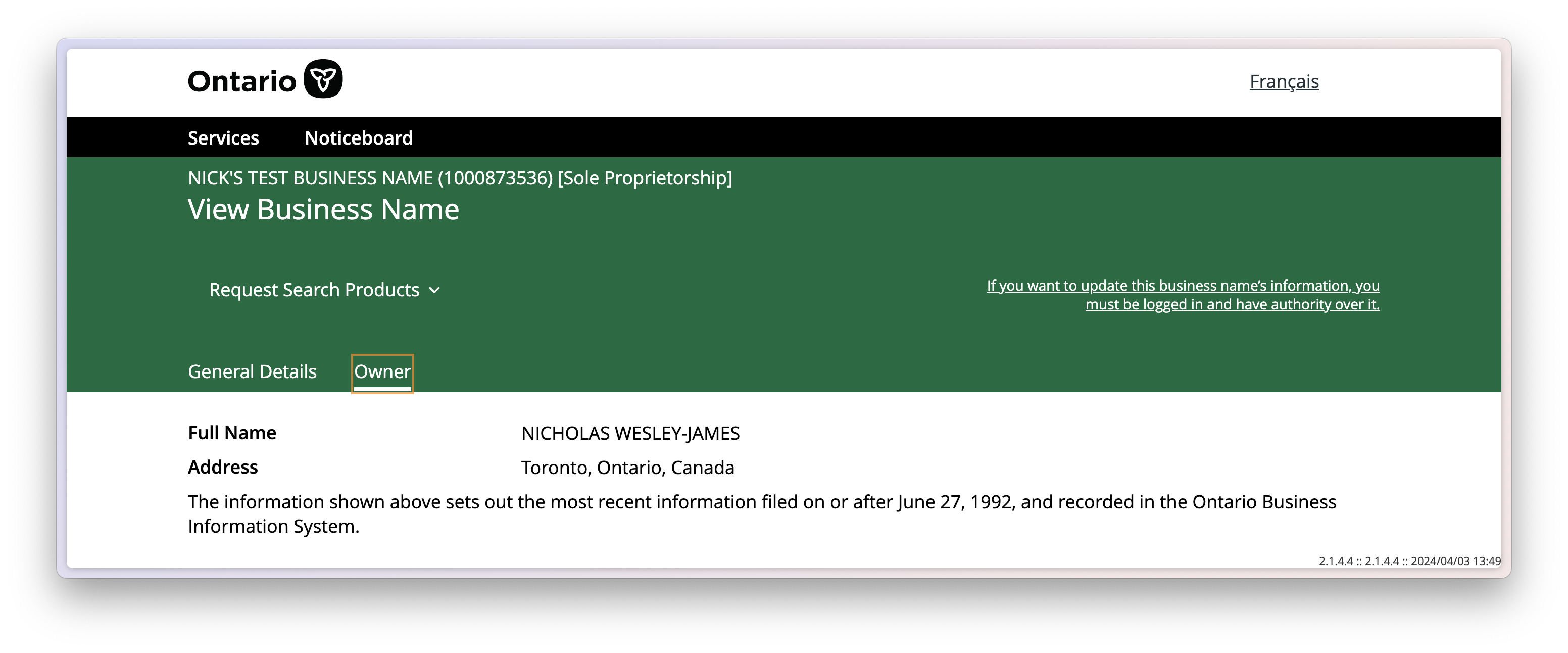
Example of information available for an Ontario Sole-Proprietorship behind paywall
The following information was obtained through an $8 search product.
Extra-Provincial Registrations in Ontario
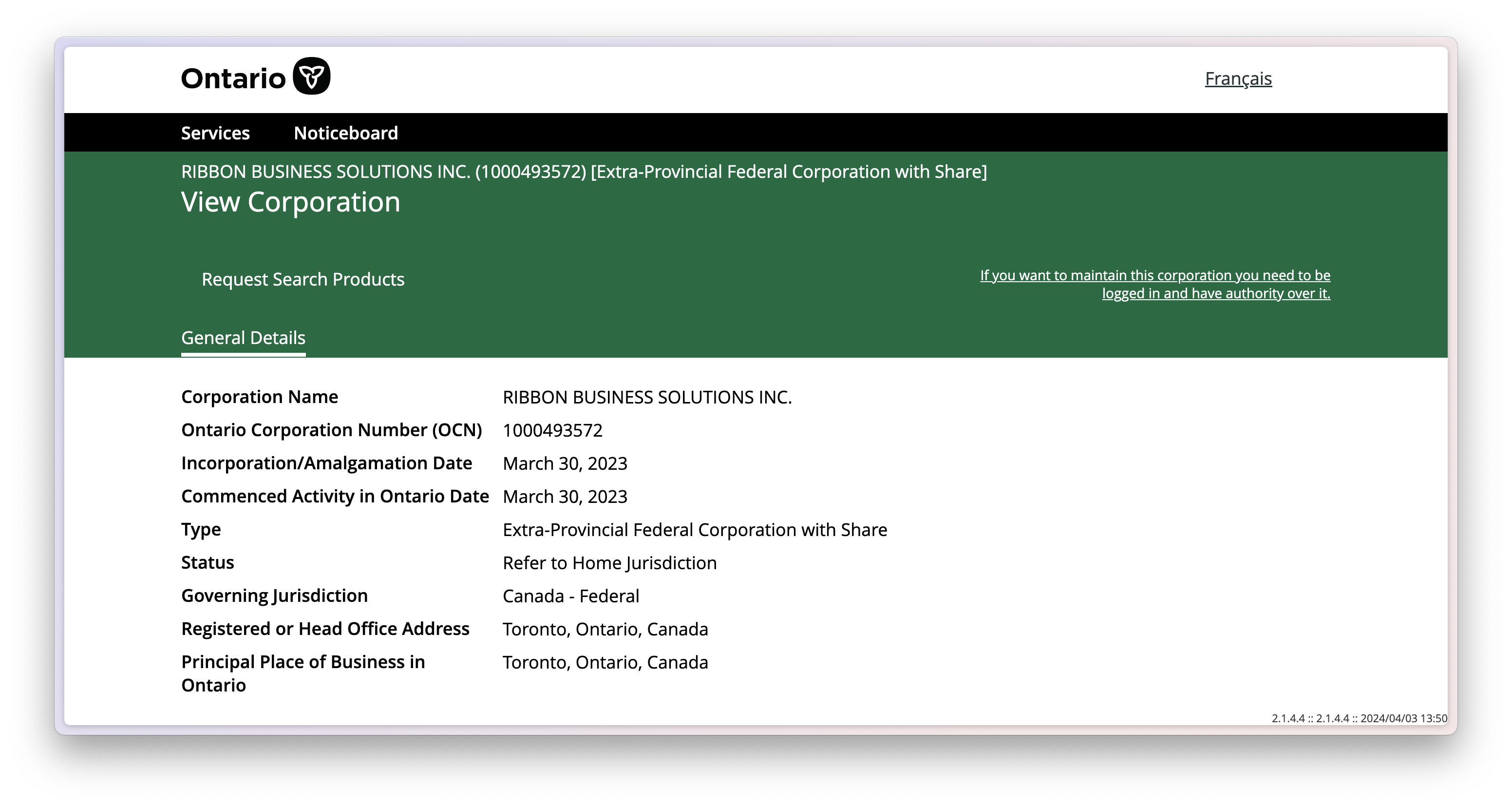
If your business is registered in another province but operates in Ontario, the following information will be available on the Ontario business registry:
- Business name
- Corporation number
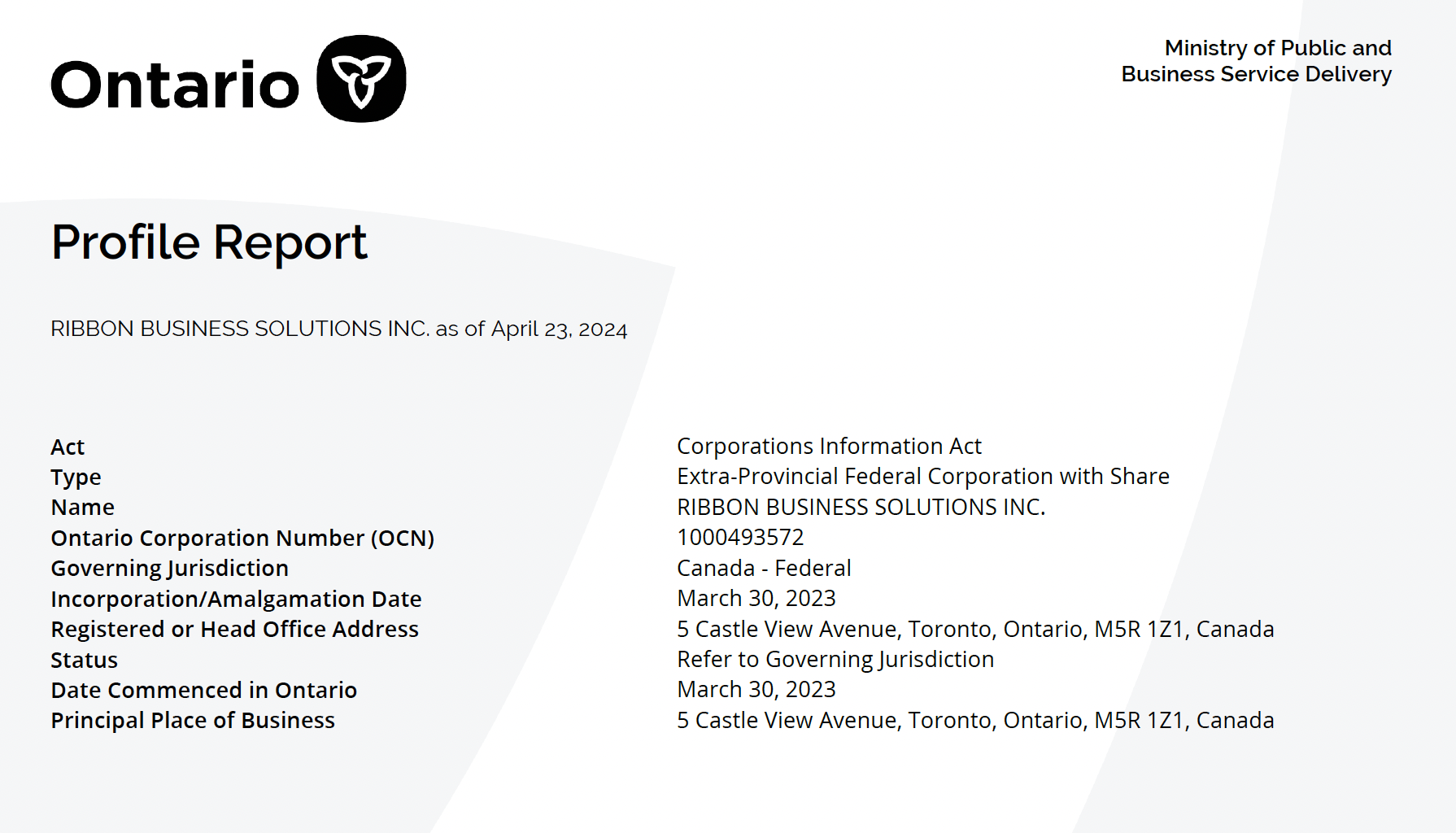
- Business address (detailed address behind a paywall)
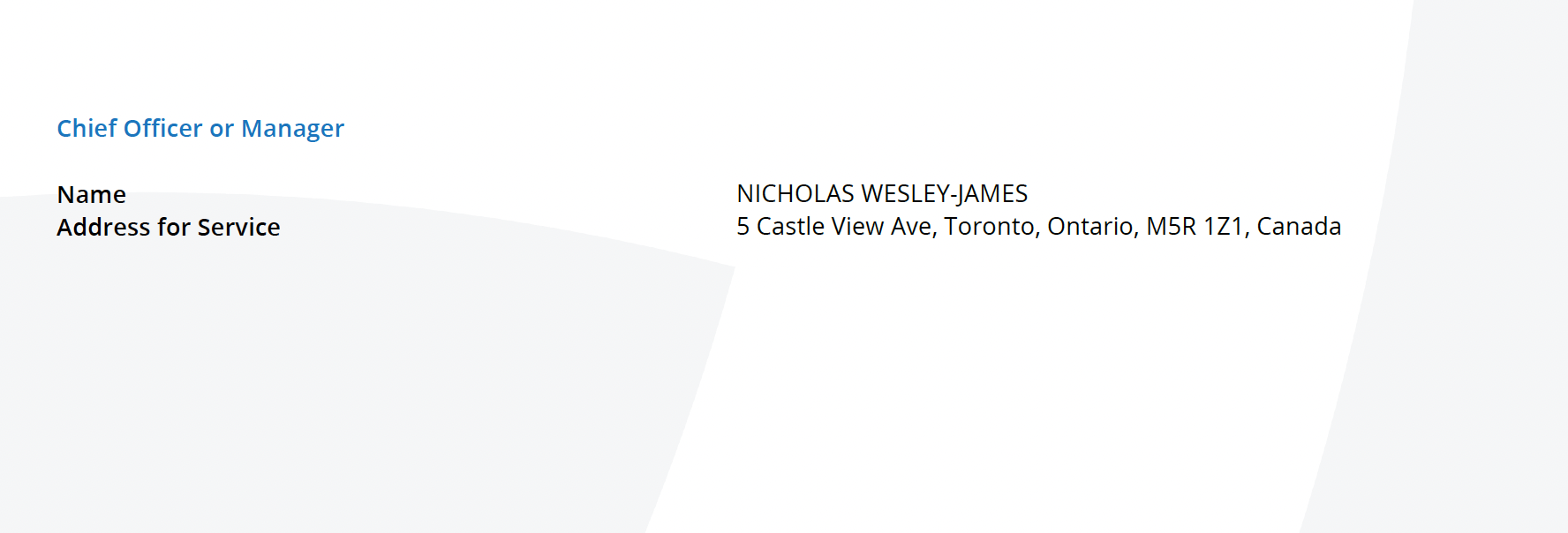
- Chief officer or manager's name and address (behind a paywall)
Even if your business is based elsewhere, personal information may still be accessible if you have operations in Ontario.
Example of information available for an Ontario Extra-Provincial Registration openly searchable
Example of information available for an Ontario Extra-Provincial Registration behind paywall
The following corporate profile was obtained through an $8 search product.
Privacy Comparison Table
| Federal Corporation | Ontario Corporation | Ontario Sole-Proprietorship | Ontario Extra-Provincial Registration | |
|---|---|---|---|---|
| Business Name | Public and easily searchable | Public, searchable if name or Ontario Corporation Number is known | Public, searchable if name or Business Identification Number is known | Public, searchable if name or Ontario Corporation Number is known |
| Corporation Number or Business Identification Number | Public and easily searchable | Public, searchable if name or Ontario Corporation Number is known | Public, difficult to search | Public, searchable if name or Ontario Corporation Number is known |
| CRA Business Number | Public and easily searchable | Not listed on Ontario Business Registry but listed on Canada's Business Registries | Not listed | N/A |
| Business Address | Public and easily searchable | Public, not searchable, behind a paywall | Public, not searchable, behind a paywall | Public, not searchable, behind a paywall |
| Significant Shareholders + Owners - Names and addresses | Public and easily searchable. | Not listed | Public, not searchable, behind a paywall | N/A |
| Directors - Names + addresses | Public and easily searchable | Public, not searchable, behind a paywall | N/A | N/A |
| Officers - Names + addresses | Not listed | Public, not searchable, behind a paywall | N/A | N/A |
| Chief Officer or Manager - Name + address | N/A | N/A | N/A | Public, not searchable, behind a paywall |
How to Protect Your Residential Address
As a business owner, shareholder, director, or officer, your personal address may be displayed publicly on various business registries. Safeguarding this information is crucial to maintaining your privacy. Here are some options to consider:
Using an Address for Service
Corporations Canada permits a director to provide either a residential address or a non-residential address for service, and its ISC rules similarly allow an address for service where one is provided. Ontario filings also use address-for-service concepts for certain individual and entity records. The address must be one where legal documents can actually be accepted, and it does not change the applicable identity-disclosure requirements.
Protecting Your Business Address
The two address fields often overlap. In our study of 85,289 federal corporations incorporated in 2025, 82.2% had at least one director address matching the registered office in the August 2026 records. That does not tell us whether the address was a home, but it is a useful reminder to review both fields when checking what is public.
If your business operates from your residential address, and you don't want this information to be publicly available, you have several alternatives:
-
Rent an Office Space Renting a separate office space away from your home provides a dedicated business address, effectively shielding your residential address from public view. However, this option can be costly, especially for small businesses or startups.
-
Mailbox Rental Many providers, such as shipping companies, business supply stores, and co-working spaces, offer mailbox rental services. This allows you to have a separate mailing address for your business while keeping your residential address private. The drawback is typically these mailbox services need to be physical checked on a routine basis.
-
Lawyer's Office Some lawyers offer their office mailing address for a fee, providing a professional business address for your company.
-
Virtual Business Address A virtual business address service, like the one offered by Ribbon Business, can keep routine business mail separate from a home address without renting office space. Ribbon Business provides a Toronto mailing address with online mail scanning and forwarding. It is not a customer-facing office, principal place of business or automatically eligible legal address; confirm each intended use separately.
For eligible Ontario corporations and federal corporations whose articles specify Ontario, Ribbon Business also offers a separate Toronto registered-office service. Corporations that require a registered office in another province or territory need an eligible address in that jurisdiction.
A PO box may work as a mailing address, but a PO box alone generally does not identify the location required for an Ontario or federal registered office. See the PO-box and registered-office guide.
By leveraging these options, you can effectively protect your personal and business addresses from public exposure, ensuring a higher level of privacy for you and your company.
Choosing Between Federal and Provincial Corporations
When it comes to deciding between incorporating federally or provincially, the accessibility of corporate information is an important factor to consider.
Federal corporations have their information readily available and easily searchable on the federal business registry, making it more accessible to third-party websites and data aggregators. This level of transparency can be beneficial for businesses seeking visibility and credibility but comes with privacy trade-offs.
In contrast, provincial business registries, like Ontario's, often have paywalls and stricter search requirements, making the information less readily available to the general public. However, this added layer of protection also means that legitimate stakeholders, such as potential investors or partners, may have a harder time accessing information about your business.
It's worth noting that initiatives like CanadasBusinessRegistries.ca are making it easier to search for information across multiple registries, potentially increasing the accessibility of provincial corporation data over time. As technology and policies evolve, the balance between transparency and privacy may shift, requiring business owners to adapt their strategies accordingly.
Ultimately, the decision to incorporate federally or provincially should be based on a careful evaluation of your business goals, privacy concerns, and the specific requirements of your industry or sector.
Conclusion
Protecting your privacy as a Canadian business owner requires understanding which personal and business information becomes public. An eligible address for service or a Toronto virtual business address can separate some business correspondence from a residence, but it does not remove ownership and director-disclosure requirements.
It's essential to stay informed about changes in transparency regulations and the evolving landscape of data accessibility. As more information becomes publicly available, the need for privacy protection measures will likely increase.
By leveraging the right tools and services, and making informed choices about your business structure, you can maintain a professional presence while minimizing the risk of personal information exposure. Remember, protecting your privacy is not just about safeguarding your own interests; it's also about protecting the integrity and reputation of your business in an increasingly connected and transparent world.
Primary Sources
- Corporations Canada: public disclosure of corporate information
- Corporations Canada: search for a federal corporation
- Ontario Business Registry